Botox has been part of my professional toolkit for well over a decade, and it remains one of the most precise, customizable, and deceptively simple procedures in facial aesthetics. The public tends to speak about “getting Botox” as if it were one uniform service, a quick tap of a syringe that wipes away time. In practice, the best results come from measured planning, anatomical fluency, and a conversation about what a face does, not just how it looks at rest. This overview frames Botox cosmetic treatment for the face the way I approach it in clinic, from the nuances of expression patterns to the trade-offs that matter over months and years.
What Botox actually does, and why that matters
Botox is the brand name most people know for botulinum toxin type A. In aesthetic care we also use other FDA-cleared formulations, but the principle is the same. When injected into a muscle, the product temporarily reduces the muscle’s ability to contract by disrupting the nerve signal at the neuromuscular junction. That selective relaxation eases dynamic wrinkles, the ones that appear with expression, like forehead lines, frown lines between the brows, or crow’s feet around the eyes.
It does not fill, lift, or resurface. If you picture a crease etched deeply into the skin that remains even when your face is still, that is a static wrinkle. Botox for wrinkles of that type can soften the look if muscle movement is a big driver, but it will not rebuild volume or texture. This is why pairing Botox therapy with dermal fillers or energy-based skin renewal treatments can be smart when thinning skin and volume loss join the picture.
In the right hands, Botox cosmetic injections are about calibration, not paralysis. The goal is a smoother canvas and refreshed expression with your personality intact. For many, the aim is subtlety: friends say you look well rested, not “filled” or “frozen.”
Where Botox works best on the face
The upper face is the classic zone for Botox wrinkle treatment. The trio that almost every provider evaluates first:
- Forehead lines: The frontalis muscle lifts the brows and creates horizontal forehead lines. Too much product here can drop the brows. The art sits in balancing forehead smoothing with support from the muscles that lower the brows. Many of my patients prefer some motion left to keep a natural look. Frown lines (glabellar complex): The “11s” between the brows form as the corrugator and procerus muscles pull the brows inward and down. Correct dosing here can relieve that chronic, stressed look. This is often the first area where people notice a strong anti aging effect from botox for expression lines. Crow’s feet: Around the eyes, the orbicularis oculi muscle fans out like a starburst. Light dosing softens the crinkling at the outer corners without flattening a genuine smile. Matching dose to skin thickness is key; thinner skin needs less product to achieve smoothing without heaviness.
Beyond those, there are advanced applications. A few common examples I weigh during consultations:
Brow shaping. Small adjustments, with botox facial injections placed just under the tail of the brow or into the glabella, can create a gentle lift. The effect is modest, a few millimeters at best, but for some faces it opens the eye and reduces the need for concealer or shadow tricks.
Bunny lines. Scrunching the nose creates diagonal lines on the bridge. A micro-dose can even them out, but I avoid over-treating because it can alter smile dynamics.
Gummy smile. If the upper lip lifts too high when you smile, two to four units per side into the levator labii muscles can reduce gum show. The margin for error is slim, so I always trial a conservative dose on a first visit.
Lip flip. A tiny dose across the upper lip’s border can evert the lip slightly. This suits patients with mild thinning who want a hint of pout without filler. Expect subtlety and a shorter duration than typical forehead dosing.
Downturned mouth corners and chin dimpling. The depressor anguli oris and mentalis can be relaxed to soften marionette shadows and pebbly chin texture. Here, dosage discipline matters to prevent mouth asymmetry.
Jawline refinement. Targeting the masseter muscles can slim a bulky lower face caused by clenching or natural hypertrophy. It doubles as botox therapy for the symptoms of bruxism. Results build over several treatment cycles and may affect chewing fatigue with dense foods for a week or two.
Neck bands. Platysmal band softening can refine the jaw-neck transition. The effect varies botox by skin laxity. Good candidates are younger patients with visible bands and minimal loose skin.
What unites these treatments is precision. Botox facial therapy rewards conservative starts and tailored mapping. Everyone’s muscle bulk, pattern of movement, and skin thickness differ, so copy-paste dosing is a poor idea.
How a thoughtful consultation unfolds
A strong botox service begins before the syringe comes out. I watch people talk, smile, frown, and squint. I ask what they do for work, how often they need to look animated on camera, and whether they play wind instruments or speak for a living. The more you depend on dynamic expression, the more carefully we calibrate.
We also talk about prior treatments. If you had botox cosmetic face treatment elsewhere, share your experience. Did your brows feel heavy? Did one side drop? Were you thrilled for eight weeks and then felt the effect vanished? That trail of data lets me adjust placement, dilution, and dose. I often start slightly under the typical range for a first session, then fine-tune in two weeks. The light-touch approach helps us avoid surprises.
Age and skin condition color the plan too. Someone in their late twenties with early forehead lines and strong movement might do well with preventive botox, very small doses two or three times a year. A fifty-five-year-old with etched glabellar lines and laxity around the eyes might need a combination of botox wrinkle injections, a resurfacing plan, and possibly filler support.
Finally, we talk numbers. Most upper-face treatments fall in the range of 10 to 40 units depending on area and anatomy. Masseter slimming might require 20 to 50 units per side to start, tapering as the muscle reduces in bulk. Costs vary by market and practice model, either per unit or per area. Transparency prevents mismatched expectations.
What to expect on treatment day
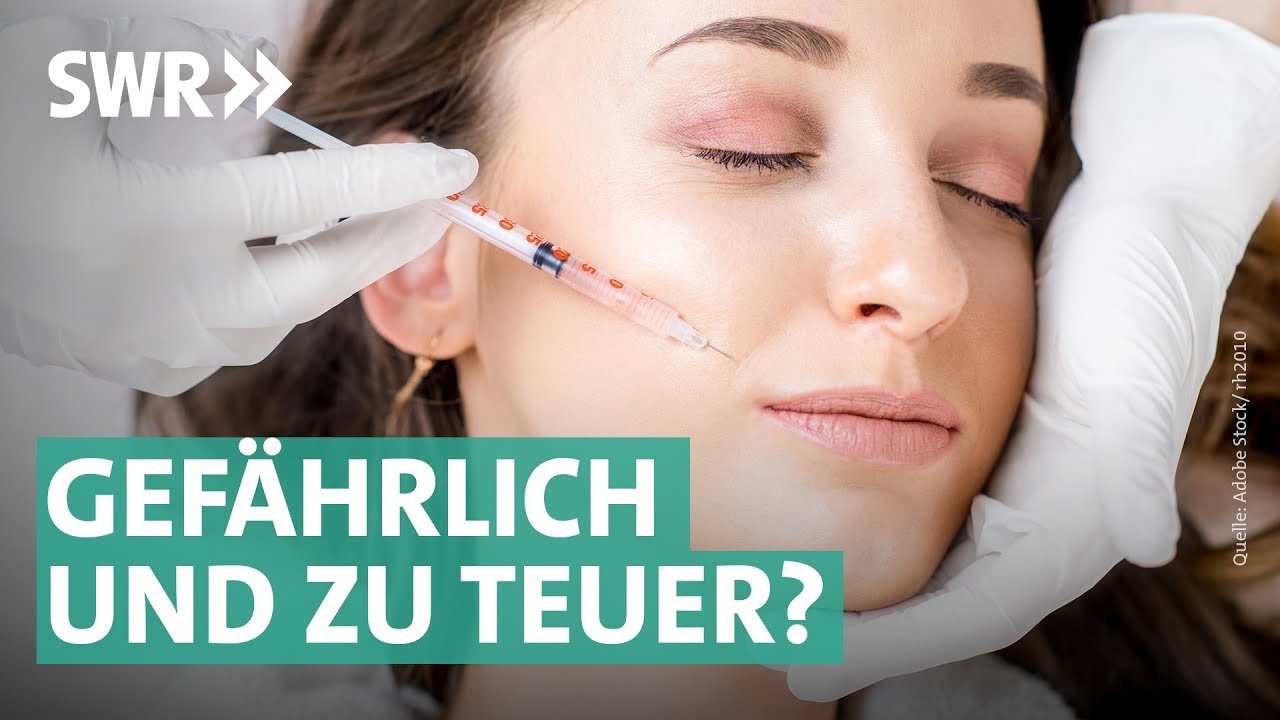
Professional rhythm helps. A botox professional treatment occupies a short appointment, but the choreography matters. I clean the skin, sometimes apply a vibration device or ice for comfort, and map injection points. The needles are tiny. Most patients describe the sensation as a quick pinch. If someone is new or anxious, I narrate quietly and keep breathing cues steady.
The whole botox procedure for the upper face can take under ten minutes, slightly longer for full-face mapping. You will leave with a few faint marks that fade within an hour or two. Makeup can be gently applied later that day if needed, though I prefer a light hand until the skin settles.
Aftercare instructions look simple, yet they reduce avoidable mishaps. Stay upright for four hours, keep exercise for later in the day, avoid massaging the treated sites, and skip saunas or facials for 24 hours. I like patients to animate the treated muscles a bit over the next hour. Some clinicians believe it helps onset, though evidence is mixed. It certainly helps you feel whether symmetry seems on track as the numbing sensation fades.
Expect onset within two to five days, with full effect around the two-week mark. I schedule a follow-up at that point for first-time patients or when we have changed the plan. If a line still pulls harder on one side, a delicate touch-up brings it in line. A botox touch up treatment might be as little as one to three units placed with intent.
How long it lasts and how to maintain results
Duration is a blend of dose, metabolism, muscle size, and how expressive you are. The typical window for botox cosmetic therapy in the upper face is three to four months. Some see five months in the crow’s feet, others see two to three months in heavy, active brows. Masseter slimming often stretches longer, though the contour benefit builds over repeated sessions.
Maintenance looks different for different goals. Someone using botox for early wrinkle treatment might schedule two or three sessions per year. Someone treating frown lines with deep etching might come every three months for a year to remodel the pattern, then stretch to four-month intervals. People who speak on stage or train intensely sometimes process the product faster and need slightly more frequent visits.
It is tempting to chase permanent results with higher doses. That is usually not the answer. Smart botox maintenance treatment aims for the smallest effective dose that preserves your expression while managing lines. If a crease persists despite quiet muscles, the plan might shift to resurfacing, collagen stimulation, or filler, not more toxin.
Safety: what’s normal, what’s not, and who should avoid it
Botox cosmetic procedure safety is well established when performed by trained clinicians using authentic product. Still, it is a medical treatment. Side effects, while generally mild and temporary, merit respect.
Expected, short-lived effects include pinpoint redness, minor swelling, and small bruises. Headaches can happen after glabellar treatment, usually soft and brief. A heavy brow sensation can occur in the first week as the balance of muscles changes; it often eases as your brain adapts to the new movement pattern.
Less common effects include eyelid or brow ptosis, a temporary droop when product diffuses into nearby muscles. It resolves as the toxin wears off, typically within weeks. Eye drops can help with the sensation in the meantime. Asymmetry is also possible, which is why follow-up visits matter.
Absolute contraindications include active infection at the injection site and known allergy to any component of the formulation. Relative contraindications include certain neuromuscular disorders and pregnancy or breastfeeding, where we do not treat out of caution. Share all medications, especially blood thinners and supplements that affect bruising.
Candidly, the biggest safety variable I see is not the molecule, it is the injector. In unregulated settings or with poor technique, risks climb. Choose botox clinic services that keep product traceable, store it properly, and maintain clear protocols. When patients ask me for a litmus test, I say: listen for anatomical language, not sales talk. A good consult feels like a clinical dialogue.
Crafting natural results: lessons from the chair
Natural botox facial treatment outcomes look easy. They are not. Faces communicate in micro-movements. Heavy-handed dosing erases some of those cues and can flatten warmth or authority. Over time, that affects how people connect with you, on camera or across a conference table.
I field frequent requests for “no lines at all.” The hard truth is that zero movement can look unnatural in real life. Light animation conveys empathy, surprise, interest. For a journalist who needs clear brows on camera, I might smooth the center forehead and frown lines more robustly while leaving lateral forehead mobility. For a pianist troubled by tension headaches, glabellar treatment can ease the strain without touching crow’s feet that sparkle on stage.
Another lesson: don’t chase a social media template. The same number of units that lift one person’s brow can weigh down another’s. Skin thickness, bone structure, and how you use your face matter more than trends. This is why I value staged treatment plans. A conservative first round teaches us how you respond. We layer from there if needed.
Realistic expectations for different concerns
Forehead lines. Good candidates want a smoother surface with some lift preserved. If you have low-set brows or excess upper eyelid skin, we keep forehead dosing lighter and support the glabella more. You might not get perfectly flat skin without trade-offs in brow position.
Frown lines. These often respond beautifully, even when they read “angry” at rest. Deep static furrows can improve appreciably with a few cycles of botox wrinkle care combined with skin resurfacing. Patients who knit their brows when reading or using screens often see tension relief too.
Crow’s feet. The softer you smile, the more complete the smoothing. If you grin widely or laugh with your eyes, some lines will persist by design. Too much product here can make photos look flat. The aim is crispness without glassiness.
Smile lines. Botox for smile lines is limited because those folds at the mouth corners are largely structural and volume-related. Light dosing to the depressor muscles can reduce downturn, but fillers or collagen induction usually do more for true nasolabial folds than botox anti wrinkle injections.
Texture issues. Botox for skin smoothing has a niche role when paired with microneedling or superficial placement techniques for oil reduction. Classic intramuscular dosing will not change pore size or acne scarring. I explain the boundary so patients don’t spend on the wrong tool.
Neck and jaw. For patients who clench at night, botox aesthetic injections in the masseters can soften the jawline and reduce morning jaw fatigue. Expect a two to three week onset. Cheek contour may look subtly more pronounced as the lower face slims. Platysmal banding responds variably. If your main concern is crepey neck skin, energy-based tightening plus skincare often outperforms toxin alone.
The role of skincare and lifestyle in extending results
Think of botox skin rejuvenation as part of a broader system. If you invest in treatment but ignore daily habits, your returns diminish. Sunscreen is non-negotiable. Ultraviolet light breaks down collagen and kick-starts wrinkle formation; a broad-spectrum SPF 30 or higher every morning protects the foundation.
Topicals like retinoids and antioxidants contribute to skin improvement by boosting cell turnover and defending against free radicals. Hydration from humectant serums and healthy barrier repair from ceramides make skin look plumper, which complements botox wrinkle smoothing. None of these replace toxin, but they lift the baseline so your results read as bright and healthy rather than merely still.
Sleep, stress, and muscle habits count more than people expect. If you frown while working or read more chew through the day, your muscles fight the treatment’s goals. Biofeedback, massage for the masseters, and breaks to reset your expression help botox anti aging care last longer and feel more natural.
Preventive and early-care strategies
Preventive botox is not a sales pitch, it is a strategy for specific faces. If you form strong lines early and notice creases that linger after expression, small doses two or three times a year can retrain movement patterns. The doses are typically much lower than in corrective phases. Think of it as steering rather than braking. Over-treating young faces can flatten character and may encourage dependence, so I discuss goals and timing closely, often deferring treatment if lifestyle changes and skincare can carry the load.
For patients returning after a long gap, I reset the plan rather than assuming old maps still fit. Weight changes, new exercise routines, and hormonal shifts alter muscle behavior. I test small zones, reassess at two weeks, and layer in more only if needed. This approach prevents the yo-yo effect that some experience when they jump between clinics and protocols.
Choosing the right provider and setting
In many markets you can get botox at a dermatology practice, a plastic surgery clinic, or a reputable medical spa. The best predictor of satisfaction is not the sign on the door, it is the injector’s training, consistency, and willingness to say no when a request will not look good.
Ask how they approach dosing for asymmetry. Ask how they handle complications. A clinic that welcomes follow-ups and offers small, precise adjustments signals confidence. Watch how before-and-after photos read. Do different faces look like themselves, or do they share one expression? If everyone has the same arched brows, you are looking at a template, not a tailored botox cosmetic enhancement.
In my practice, we chart muscle patterns with photos and notes. The record helps when life changes affect your plan. If you start marathon training and your forehead activation spikes, we may adjust dose or interval. If you move to a sunnier climate, we work harder on skin care alongside botox cosmetic skin improvement.
Cost, value, and how to budget wisely
Pricing models vary. Some clinics price per unit, others per area. A per-unit model offers transparency if you know your typical dose, while area pricing can simplify the bill for those who like predictability. Beware of unusually low prices. They can indicate diluted product, low dosing that will not hold, or inexperienced injectors.
Value comes from results that hold for the expected interval and read naturally in varied settings. For most upper-face treatments, budget for three to four visits per year if you want year-round smoothing. If you are using botox facial anti aging treatment in combination with fillers or skin tightening, consider staging procedures to spread cost and monitor how each element contributes. I often schedule botox first, reassess at two weeks, then decide whether residual lines still need filler. This prevents over-correction.
When Botox is not the answer
Honest counseling matters. If your main concerns are etched lines at rest from sun damage and volume loss, a plan anchored only in botox cosmetic skin therapy will disappoint. I steer those patients toward resurfacing and volume restoration first, then add botox to fine-tune dynamics. If skin laxity dominates, especially in the lower face and neck, energy-based tightening or surgical options may serve better.
There are also phases of life when we defer. During pregnancy and breastfeeding, we hold off on botox skin care injections. If you have an important life event in less than two weeks and have never had treatment, I advise waiting rather than risking a last-minute adjustment. The calendar can be as important as the syringe.
A realistic roadmap for first-timers
For someone new to botox aesthetic treatment who wants smoother forehead lines and softer crow’s feet, here is how a typical first three months might look:
- Consultation and mapping. We discuss goals, watch your expressions, and plan light, conservative dosing across the forehead, glabella, and lateral eyes. Treatment day. Quick injections, minor stings, a few small marks that fade quickly. You return to work or errands right away. Days two to five. You begin to notice softening, especially between the brows. The forehead feels calmer. Two weeks. Full effect. We meet or check in. If one eyebrow lifts slightly higher, I place a tiny balancing dose. If you want even smoother crow’s feet, we add one or two units per side. Weeks eight to twelve. Results still read well for many people. If you metabolize quickly, you may feel movement return earlier. We schedule the next session at the cadence that matched your experience, aiming to maintain rather than re-chase deep lines.
This phased approach turns botox non surgical treatment into a predictable, low-drama part of your routine rather than a scramble before events.
Final thoughts from the treatment room
Faces are not canvases. They are instruments. With botox for facial rejuvenation, the goal is to tune, not mute. The right plan respects how your features communicate and how your life uses those expressions. Start with a clear conversation, favor subtlety over bravado, and track what works for you rather than what a trend promises.
When used with care, botox cosmetic face treatment brings a lightness to the way you inhabit your face. Your eyes open a touch more, your forehead stops broadcasting fatigue, and you still smile like yourself. That is the difference between a procedure and a craft.